Difference Between Delonghi Primadonna Aromatic and Philips Hue Dimmer Switch Explained
In the modern landscape of smart home technology and high-end domestic appliances, consumers often find themselves navigating a sea of diverse products designed to enhance their daily routines. While some items share a common ecosystem, others represent entirely different categories of technical sophistication. Two such prominent examples are the Delonghi Primadonna Aromatic, a pinnacle of automated coffee craftsmanship, and the Philips Hue Dimmer Switch, a foundational element of smart lighting control. Though they serve vastly different functions—one satisfying the palate and the other catering to visual ambiance—both represent a shift toward the "intelligent home" where convenience and customization are paramount. This article provides a comprehensive analysis of these two devices, exploring their features, technical architecture, and the distinct roles they play in the household.
Understanding the Delonghi Primadonna Aromatic
The Delonghi Primadonna Aromatic is a fully automatic bean-to-cup espresso machine designed for those who view coffee preparation as an art form that should be accessible at the touch of a button. Positioned as a premium appliance, it integrates complex mechanical engineering with digital user interfaces to replicate the performance of a professional barista. The "Aromatic" designation highlights its specific focus on extraction quality, ensuring that the volatile oils and nuanced flavors of the coffee beans are preserved and highlighted during the brewing process.
At the heart of the Primadonna Aromatic is a high-performance burr grinder and a sophisticated thermoblock heating system. Most owners of this machine are looking for consistency; they want an espresso that tastes the same on a Tuesday morning as it did on a Sunday afternoon. The machine achieves this through precise temperature control and adjustable grinding settings that allow the user to fine-tune the coarseness based on the specific bean profile. Modern iterations of this line often include color displays and profile management, allowing multiple family members to save their preferred strength, temperature, and milk-to-coffee ratios.
Key Features of the Primadonna Aromatic
One of the standout features of the Delonghi Primadonna Aromatic is its LatteCrema System. This proprietary technology is engineered to produce dense, long-lasting milk foam at the optimal temperature. Unlike manual steam wands which require a certain level of skill to master, the Primadonna automates the aeration process, delivering café-quality cappuccinos and lattes with zero learning curve. Furthermore, the machine’s maintenance is largely automated, with self-cleaning cycles for the milk carafe and descaling alerts that ensure the internal longevity of the device.
The build quality of the Primadonna series typically involves heavy use of stainless steel and high-grade polymers, giving it a commanding presence on a kitchen countertop. It is not merely a utility; it is a centerpiece of the modern kitchen. Buyers typically care about the ease of cleaning, the noise level of the grinder, and the sheer variety of recipes available. With the Primadonna Aromatic, the focus remains squarely on the "Aromatic" extraction—ensuring that even when mixed with milk, the robust character of the espresso remains distinct.
Understanding the Philips Hue Dimmer Switch
Transitioning from the kitchen to the walls of the home, the Philips Hue Dimmer Switch represents a different kind of sophistication. While the Delonghi machine is a self-contained unit of production, the Hue Dimmer Switch is a peripheral control device designed to bridge the gap between traditional tactile interaction and the complexities of a smart lighting mesh network. It is part of the Signify (formerly Philips Lighting) ecosystem, which is widely considered the gold standard for consumer smart lighting.

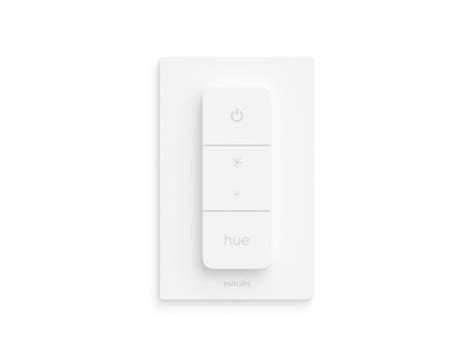
The Hue Dimmer Switch is a battery-powered wireless remote that can be mounted to a wall via an adhesive plate or used as a handheld controller. Its primary purpose is to provide immediate, physical access to lighting scenes without the need to pull out a smartphone or issue a voice command to a virtual assistant. In a real-world household, this is vital. If a guest stays over or if a phone is charging in another room, the Dimmer Switch provides a "fail-safe" method to control the environment. It enables users to turn lights on and off, dim or brighten them, and cycle through pre-programmed light recipes such as "Read," "Concentrate," or "Relax."
Key Features of the Philips Hue Dimmer Switch
The genius of the Philips Hue Dimmer Switch lies in its simplicity and its integration with the Zigbee protocol. Because it does not rely on Wi-Fi for its primary communication with the bulbs or the Hue Bridge, it is exceptionally responsive and energy-efficient. A single coin-cell battery can power the device for years. The switch is also magnetic; the remote sticks to its backplate, allowing it to look like a standard light switch while remaining portable.
For the smart home enthusiast, the Dimmer Switch is highly customizable through the Philips Hue app. For instance, the "On" button can be programmed so that a single press activates a bright "Daylight" scene, while a double press activates a dim "Nightlight" mode. This level of logic makes it more than just a dimmer; it is a scene controller. Buyers typically care about its compatibility with their existing Hue setup, the ease of installation (no wiring required), and the tactile feel of the buttons, which provide a soft, satisfying click upon engagement.
Looking for the best Electronics deals on Amazon?
Shop Amazon →Direct Comparison: Production vs. Control
Comparing the Delonghi Primadonna Aromatic and the Philips Hue Dimmer Switch might seem like comparing an oven to a television remote, but in the context of the "connected home," they represent the two types of smart technology we interact with every day: the **Actor** and the **Controller**.
The Delonghi is an **Actor**. It performs a complex physical task (grinding, heating, tamping, brewing, frothing). It consumes significant power—often 1450 watts or more—and requires physical inputs of water and beans. It is a destination device. You go to it to get a result. If it fails, a specific part of your daily ritual is interrupted.
The Philips Hue Dimmer Switch is a **Controller**. It performs no physical work other than sending a low-energy signal. It consumes negligible power and requires no physical inputs other than a finger press. It is a facilitator. It exists to make the operation of other devices (the light bulbs) more intuitive. If it fails, the lights still work via the app, but your convenience is slightly diminished.
Buying Guide: Which Investment Matters Most?
When deciding how to allocate a budget for electronics, it is important to consider the "Utility vs. Joy" ratio. Both the Delonghi Primadonna Aromatic and the Philips Hue Dimmer Switch are designed to reduce friction in your life, but they do so in different ways. This guide helps you navigate which item should take priority based on your household needs.
Priority One: The Coffee Aficionado
If your morning routine revolves around the quality of your espresso, the Delonghi Primadonna Aromatic is more than an appliance; it is a lifestyle upgrade. You should prioritize this purchase if you currently spend a lot of time manually brewing coffee or if you are dissatisfied with the waste and quality of pod-based systems. Buyers should look for the "Aromatic" models specifically if they prefer medium-to-dark roasts where the crema and oil extraction are vital to the flavor profile. Consider the space in your kitchen and your willingness to perform the weekly "deep clean" of the brewing unit, as these are the hallmarks of bean-to-cup ownership.
Priority Two: The Smart Home Architect
If you have already invested in smart bulbs but find yourself frustrated by having to use your voice or a smartphone to turn them off, the Philips Hue Dimmer Switch is a mandatory purchase. It is the missing link in a smart lighting system. It is particularly useful for households with children or elderly residents who may find app-based control confusing. Because the cost is relatively low compared to a high-end coffee machine, it is often an impulse buy, but one that drastically improves the "usability" of the home. Before buying, ensure your bulbs are Zigbee-compatible or that you have the requisite Hue Bridge to unlock the switch's full potential.
Integration and Synergy
Interestingly, some users find ways to integrate these two worlds. Through platforms like IFTTT or Home Assistant, it is technically possible to have a Philips Hue Dimmer Switch trigger a "Good Morning" routine that turns on your lights and prepares the Delonghi machine (provided the machine is left in a standby mode that allows for remote activation). This creates a symbiotic relationship where the "Controller" (the switch) talks to the "Actor" (the coffee machine), creating a truly automated environment.
Find top-rated Electronics products at great prices.
See Deals →Technical Deep Dive: Connectivity and Durability
Examining the electronics under the hood reveals the divergent philosophies of these products. The Delonghi Primadonna Aromatic relies on high-voltage circuitry to manage the heating elements and the powerful pump (usually rated at 15 or 19 bars of pressure). The internal logic board handles PID (Proportional-Integral-Derivative) controllers to maintain the water temperature within a very narrow range—essential for preventing the coffee from tasting "burnt" or "sour." The longevity of the Delonghi is tied to its mechanical components; the seals, O-rings, and grinder blades will eventually wear, meaning the buyer is investing in a piece of hardware that will require servicing over a 5 to 10-year lifespan.
Conversely, the Philips Hue Dimmer Switch is almost entirely solid-state. Beyond the physical micro-switches under the plastic buttons, there are no moving parts. The internal microcontroller spends most of its life in a "deep sleep" state, waking up only when a button is pressed to send a short-burst Zigbee packet. This makes the device incredibly durable from an electronics standpoint. Its obsolescence is more likely to be caused by changes in communication protocols (software) rather than physical failure. Modern versions have even improved the mounting magnets to ensure the remote doesn't fall off the wall if the door is slammed nearby.
Real-World Use Cases
To illustrate the difference, consider a typical Monday morning. For the owner of the **Delonghi Primadonna Aromatic**, the value is felt at 7:00 AM. They walk into the kitchen, press a single button, and while they are getting dressed, the machine is busy grinding fresh beans and steaming milk. The "Aromatic" extraction fills the room with the scent of fresh coffee, providing a sensory "wakeup call" that a standard drip machine cannot match. The buyer cares about the *result*.
For the owner of the **Philips Hue Dimmer Switch**, the value is felt at 10:00 PM. They are already in bed and realize the hallway light was left on. Instead of getting up or shouting at a smart speaker (and waking up the household), they reach for the Hue Dimmer Switch on their nightstand. With one click, the lights fade out. They might even use a long-press function to ensure all the lights in the house are extinguished simultaneously. The buyer cares about the *control*.
In many modern households, the presence of one often signals a desire for the other. A consumer who appreciates the precision of a bean-to-cup machine is likely the same person who appreciates the fine-tuned ambiance provided by smart lighting. Both products appeal to a demographic that values time-saving features and high-quality finishes.
Conclusion
While the Delonghi Primadonna Aromatic and the Philips Hue Dimmer Switch reside in different corners of the electronics market, they are united by a common goal: the enhancement of the domestic environment through smart automation. The Primadonna Aromatic is a complex, high-maintenance, but deeply rewarding machine that serves as a tribute to the culinary arts. It is an investment in flavor and morning efficiency. On the other hand, the Philips Hue Dimmer Switch is a simple, low-maintenance, and highly affordable tool that serves as a tribute to ergonomic design and atmospheric control. It is an investment in comfort and evening tranquility.
Understanding the difference between these two products is not about comparing their specifications directly, but about recognizing where they fit in your life. The Delonghi is about the "input"—what you consume to start your day—while the Philips Hue is about the "output"—the environment in which you live your life. For the modern homeowner, these two devices are not competitors; they are complementary pieces of a larger puzzle designed to make the home a more responsive, enjoyable, and aromatic place to be.